
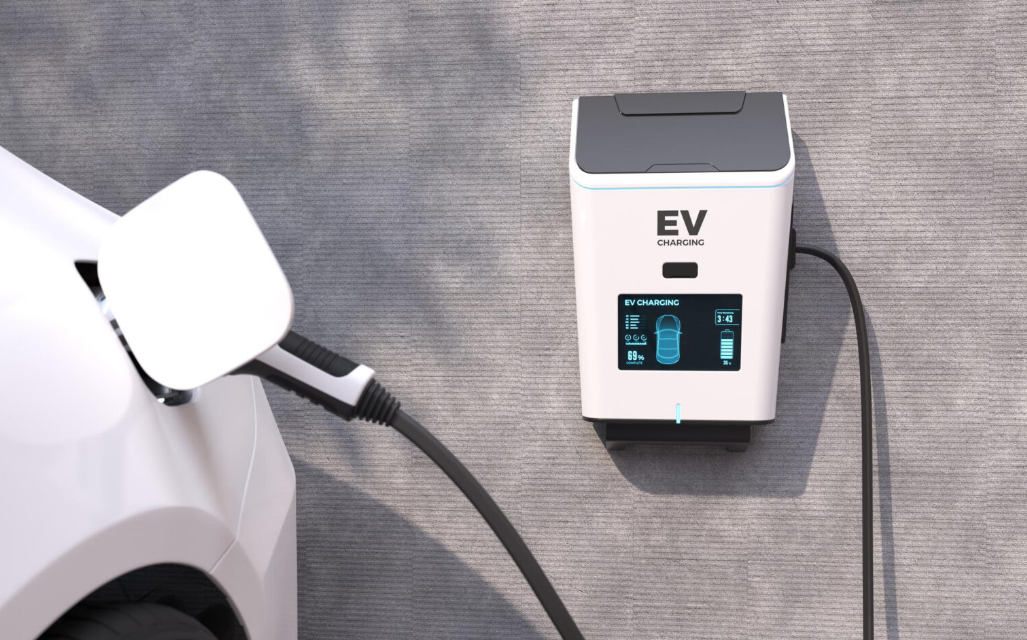
Installing a home EV charging station can make owning an electric vehicle more convenient by allowing you to charge at home instead of relying entirely on public charging stations. However, choosing the right charger is only part of the process. You also need to determine where to install it, whether your electrical panel can support it, and which permits or inspections your local jurisdiction requires.
For many US homeowners, a professionally installed Level 2 home EV charging station costs approximately $1,000 to $3,600 or more for the equipment and installation combined, before major electrical upgrades. Your actual cost depends on the charger, wiring distance, available electrical capacity, installation location, and local labor and permit fees. EnergySage’s 2026 cost guide reports installation costs of $800 to $3,000 before equipment, illustrating how much the electrical work can affect the total budget.
Before buying an electric vehicle home charging station, review your home’s electrical system, compare suitable installation locations, and obtain a quote from a qualified electrician. Planning these details early can help prevent unexpected expenses and ensure your charging setup meets applicable safety requirements.
What Is a Home EV Charging Station?
A home EV charging station is equipment installed at a residential property to supply electricity to an electric vehicle. It is commonly called an EV charger or electric vehicle supply equipment (EVSE).
Home charging equipment generally falls into two categories: Level 1 and Level 2.
Level 1 charging uses a standard 120-volt household outlet with compatible charging equipment. It is often sufficient for drivers with short daily commutes and long parking periods.
Level 2 charging uses a suitable 208- or 240-volt electrical supply, depending on the installation. It can replenish the battery more quickly and is often preferred by drivers who travel longer distances, own vehicles with larger batteries, or need more charging flexibility.
According to the US Department of Energy’s Alternative Fuels Data Center, many EV owners can meet their daily driving needs with Level 1 charging. Level 2 equipment is particularly useful when a driver’s mileage or schedule requires more energy than Level 1 can provide during the available parking time.
For homeowners considering a permanent home charging station, Level 2 equipment is often the more practical long-term option. However, the appropriate charging level depends on your driving habits, vehicle capabilities, and electrical system.
Where Should You Install a Home EV Charging Station?
The best installation location provides convenient access to your parked vehicle, keeps the charging cable manageable, and minimizes the complexity of running electrical wiring.
Most residential EV chargers are installed in garages, although outdoor installations are also possible when the equipment is rated for the environment.
1. Inside the Garage
A garage is often a convenient location for an at-home EV charging station because the vehicle can park near the charger and the equipment is sheltered from direct weather exposure.
Mounting the charger on a garage wall near the electrical panel can also reduce wiring distance and installation labor.
Before choosing the exact position, consider the following:
- Where the vehicle’s charging port is located when parked.
- Whether the cable can reach the charging port without being stretched.
- Whether the charger interferes with doors, storage areas, or other activities.
- Whether the charger and cable are protected from accidental vehicle impacts.
- Whether the electrical panel can support the required circuit.
Avoid placing the charger where the cable must cross a regular walking path or create a tripping hazard. Leave sufficient clearance around the equipment for access and follow the manufacturer’s mounting instructions.
2. On an Exterior Wall
If you usually park in a driveway, mounting a home charging station on an exterior wall may be more practical than installing it inside the garage.
Outdoor installation can be suitable even in areas where rain is common, provided the charger and all associated equipment are rated for the installation environment and installed according to their instructions.
The US Department of Energy confirms that residential EV charging equipment can be installed outdoors, but outdoor installations require suitable equipment. See its home EV charging guidance.
Before choosing an exterior location, consider exposure to rain, water accumulation, direct sunlight, extreme temperatures, and possible impact from vehicles or lawn equipment. The installation must also maintain the required electrical protection and enclosure ratings.
The charging cable should reach the vehicle comfortably without blocking sidewalks or other pedestrian routes.
3. In a Detached Garage
A detached garage can be a practical place for a home charging station, but installation may be more complicated if the electrical panel is located inside the main house.
The electrician may need to run wiring underground or through an outdoor conduit to reach the garage. Depending on the property, the project could require trenching, weatherproof equipment, additional electrical distribution equipment, or other work.
These requirements can substantially increase installation costs.
If you are planning a detached-garage installation, ask the electrician to inspect the proposed route before finalizing the quote. A shorter, accessible wiring route can help reduce material and labor expenses, provided the charger remains conveniently located.
4. On a Driveway Without a Garage
Homeowners who park in an open driveway can also install an electric vehicle home charging station.
The key considerations are suitable outdoor-rated equipment, a practical mounting position, secure cable routing, and protection from potential vehicle impact.
A wall-mounted charger can work when the driveway is adjacent to the house. If the parking space is farther away, a professionally installed pedestal may be an option.
A pedestal or detached charging location may require additional wiring, concrete work, or trenching. Have these items included in the initial estimate rather than treating them as minor finishing work.
How to Inspect Your Electrical Panel Before Installation
Before installing a Level 2 home EV charging station, a qualified electrician should determine whether your electrical service can accommodate the additional load.
An EV charger can draw substantial current for several hours at a time. Its circuit must be designed for the charger’s continuous electrical load while accounting for the other appliances and systems operating in the home.
1. Check the Available Electrical Capacity
Your home’s electrical service has a maximum capacity that must be shared among existing electrical loads.
An older home may have less available capacity than a newer property, but the age of the home or the main breaker rating alone does not establish whether a charger can be installed.
An electrician should perform a load calculation using the applicable electrical code and the home’s existing equipment. This assessment helps determine whether a new dedicated circuit can be added or whether another solution is necessary.
2. Inspect the Main Panel and Breaker Space
The electrician should inspect the electrical panel, including its condition, capacity, available breaker positions, and compatibility with the proposed circuit.
The assessment should identify issues such as:
- An electrical panel that cannot accommodate the additional load.
- A panel that requires repair or replacement.
- Insufficient space for the required breaker.
- Existing wiring or electrical equipment that needs attention.
- Additional electrical upgrades required for code compliance.
Do not assume that an empty breaker position means the home has enough electrical capacity. Likewise, a full panel does not automatically mean that a complete service upgrade is necessary.
3. Determine the Correct Circuit Size
Level 2 chargers require an appropriately sized circuit, wiring, and protective equipment.
For continuous EV charging loads, the circuit is generally designed around 125% of the charger’s rated current, subject to the equipment specifications and applicable electrical code.
For example, a charger configured for 40 amps commonly requires a dedicated 50-amp circuit. A 48-amp charger commonly requires a 60-amp circuit.
These examples are not universal installation instructions. The charger’s approved configuration, breaker requirements, wiring, termination ratings, and local electrical code determine the final design.
The US Environmental Protection Agency discusses these considerations in its Getting Started with Home EV Charging guide.
4. Choose Between a New Circuit and Load Management
If the home does not have enough available capacity for the intended charger, the electrician may recommend several possible solutions.
A new dedicated circuit may be suitable when the existing electrical service has enough capacity.
A lower-powered charger may meet your driving needs while placing less demand on the electrical system.
An approved load-management system may also help by adjusting EV charging according to the home’s available electrical capacity. However, this approach must be suitable for the property and installed according to the equipment requirements and applicable code.
If necessary, a subpanel or main electrical service upgrade may be required.
The right approach depends on your home, not simply on the charger’s advertised maximum output. Ask the electrician to explain the available options and their complete installed costs before approving additional work.
Do You Need a Permit to Install a Home EV Charging Station?
Permit requirements vary by state, county, and municipality. In many locations, installing a new EV charging circuit, hardwiring a charger, or upgrading an electrical panel requires an electrical permit and a subsequent inspection.
Some jurisdictions may have different requirements for a charger connected to an existing, suitable circuit. The exact rules depend on local regulations and the installation details.
The US Department of Energy’s home charging guidance explains that EV charging installations must comply with applicable state and local codes and that permits may be required.
How to Check Local Requirements
Before scheduling installation, contact your local building or electrical permitting department, or ask your electrician to confirm the requirements.
Check whether your project needs:
- An electrical permit.
- A site plan or installation documentation.
- An inspection after the work is complete.
- Approval for a panel or service upgrade.
- Additional permissions for an outdoor or detached-garage installation.
Local requirements can differ significantly. For example, Prince William County, Virginia distinguishes between certain existing-circuit plug-in installations and projects that add or extend a circuit or hardwire charging equipment.
That example demonstrates why homeowners should check their own jurisdiction rather than assume that a permit exemption in one location applies elsewhere.
A qualified installer should clarify which permits are needed, whether fees are included in the quote, and who is responsible for arranging inspections.
What If You Live in a Rental Property or Condo?
Renters and condo owners may face additional requirements because the parking space, electrical infrastructure, or area where the charger would be installed may be shared or managed by another party.
Before purchasing equipment, review your lease or association rules and contact the property manager or homeowners association where appropriate. You may need permission to access electrical infrastructure, install equipment in a common area, or run wiring through shared property.
Some states have laws that protect certain residents’ rights to install EV charging equipment, but the scope and conditions vary. Do not assume that the same rules apply across the United States.
Should You Hire a Licensed Electrician?
For a new Level 2 home charging installation, hiring a licensed electrician with experience in EV charging equipment is the practical choice.
Installing a new circuit or hardwired charging station involves work on the home’s electrical system. Incorrect circuit sizing, unsuitable wiring, poor grounding, or improper connections can create shock, overheating, or fire hazards.
A qualified technician should be able to evaluate the electrical capacity, recommend an appropriate circuit, identify installation requirements, and explain whether a permit or inspection is necessary.
What to Look for When Hiring an Installer
Before choosing a contractor, confirm the following:
Licensing and qualifications. Verify the electrician’s license or required credentials through your state or local licensing authority.
EV charging experience. Ask whether the contractor regularly installs Level 2 charging equipment and understands the requirements of your chosen model.
Electrical assessment. The quote should reflect an assessment of your panel, circuit capacity, and proposed charger location, rather than assuming the installation is straightforward.
Permits and inspections. Confirm which permits are required and whether the contractor will handle the application and arrange the necessary inspections.
Insurance and warranty. Ask for proof of appropriate insurance and written information about workmanship coverage and equipment warranties.
An itemized estimate. The proposal should identify equipment, labor, wiring, conduit, breaker, permits, and potential extra charges separately.
You can also ask whether the electrician holds EVITP certification, a qualification associated with training for electric vehicle charging infrastructure. The US Department of Energy recommends safety-certified equipment and qualified electrical contractors in its residential charging guidance.
The lowest quote is not necessarily the best value. Compare the scope of work, materials, qualifications, and included inspections before making a decision.
How Much Does a Home EV Charging Station Cost?
The total cost of installing a home EV charging station depends on the charging equipment and the electrical work needed to support it.
Based on 2026 installation data, Qmerit reports that a standard Level 2 home charger installation ranges from $749 to $2,500, with an average of $1,700. This installation estimate is not the same as the complete equipment-and-installation price.
EnergySage reports a broader installation range of $800 to $3,000 before the cost of the charger. These figures differ because project scope, local labor rates, wiring, and upgrades can vary.
The following table shows common cost components to consider when requesting a quote.
| Cost component | Estimated cost |
|---|---|
| Level 2 charging equipment | $300–$900 |
| Electrician labor and permitting | $500–$1,200 |
| Wiring, conduit, and breaker materials | $200–$500 |
| Main electrical service upgrade, if required | May add $1,500–$3,000 or more |
| Additional trenching or complex wiring | Varies by distance and site conditions |
These are planning estimates drawn from Qmerit’s 2026 installation guide, not guaranteed prices for every project. Some installer quotes combine labor, permits, and materials, so avoid counting the same expense twice.
What Makes Installation More Expensive?
Several factors can increase the cost of an electric vehicle home charging station.
Distance from the electrical panel: A longer wiring route usually requires more material and labor.
Electrical panel capacity: A panel or service upgrade can add substantial expense if the current system cannot support the required load.
Detached garages and outdoor locations: Trenching, conduit, weather-rated equipment, and additional construction may be required.
Charger power rating: Higher-output equipment may require a different circuit, wiring, or installation method.
Local labor and permit fees: Contractor rates, inspections, and permitting expenses vary by location.
Unexpected electrical repairs: Older or damaged electrical equipment may need corrective work before installation can proceed.
Ask for an itemized estimate that separates the equipment, standard installation, and optional upgrades. This makes it easier to compare quotes and identify which expenses are necessary.
How to Keep Home EV Charging Station Costs Under Control
You can reduce unnecessary expenses by planning the installation before purchasing equipment.
Choose a Practical Location Near the Electrical Panel
When possible, select a location with a short, accessible wiring route to the panel. This can reduce the amount of conduit, wire, and labor required.
However, the shortest route is not automatically the best location if the cable will be difficult to reach or create a safety hazard.
Avoid Paying for Unnecessary Charging Power
A higher-powered charger is not always necessary.
Choose a charging level based on your daily driving distance, parking time, and vehicle’s AC charging capability. A lower-powered Level 2 charger may meet your needs while reducing the electrical demands of the installation.
Request Multiple Quotes
Obtain two or three quotes from qualified electricians where possible. Make sure each quote covers the same equipment, wiring route, permits, inspection, and proposed upgrades.
Comparing the total scope of work is more useful than comparing the headline price alone.
Ask About Load Management Before Replacing the Panel
If your electrical panel is near its capacity, ask whether an approved load-management solution could be appropriate.
In some homes, managing the EV charger’s electrical demand may provide an alternative to a costly service upgrade. It is not suitable for every property, so the electrician must verify the installation requirements.
Check Available Rebates Before Buying
Some states, utilities, and local programs offer incentives for qualifying home EV charging equipment or electrical upgrades. Eligibility, funding, and application requirements vary.
The former federal residential Alternative Fuel Vehicle Refueling Property Credit generally applied to qualifying equipment placed in service through June 30, 2026. According to the IRS guidance, homeowners planning a new installation after that date should not assume this credit is available.
Check current state, local, and utility programs directly before including a rebate in your budget.
Home EV Charging Station Installation Checklist
Use this checklist to organize the project before installation day.
- Confirm your vehicle’s charging connector and power requirements.
- Decide whether Level 1 charging is sufficient or a Level 2 station is needed.
- Choose a practical charger location with suitable cable reach.
- Ask a qualified electrician to inspect your panel and calculate available electrical capacity.
- Confirm the correct circuit, breaker, wiring, and installation method.
- Check local permit and inspection requirements.
- Obtain itemized quotes that include labor, materials, and permit responsibilities.
- Verify the charger’s safety certification and suitability for indoor or outdoor installation.
- Complete the required inspection and retain relevant permits and installation documentation.
Completing these steps before purchasing equipment can help prevent compatibility problems, unexpected costs, and delays.
Frequently Asked Questions
Can I install an EV charging station at home?
Yes. Many homeowners can install a Level 1 or Level 2 charging setup at home. Level 2 equipment typically requires a suitable 208- or 240-volt supply and may need a new circuit or electrical upgrades. Have the proposed installation assessed by a qualified electrician.
Does every home need an electrical panel upgrade for an EV charger?
No. Some homes already have sufficient electrical capacity for a dedicated charging circuit. Others may need a new circuit, load management, a subpanel, or a main service upgrade. An electrical load calculation helps determine the appropriate solution.
Is it safe to install a home EV charging station outdoors?
Yes, when the charger and installation are suitable for outdoor use. Select equipment rated for the expected environmental conditions and have it installed according to the manufacturer’s instructions and applicable electrical code.
Do I need a permit to install an EV charger at home?
Permit requirements depend on your local jurisdiction and the nature of the installation. Adding a new circuit, hardwiring a charger, or upgrading a panel commonly triggers permit or inspection requirements in many areas. Confirm the rules with your local authority before work begins.
How long does home EV charger installation take?
A straightforward installation may be completed in a few hours, while projects involving a panel upgrade, extensive wiring, trenching, or permitting can take longer. The electrician should provide a realistic schedule after inspecting the property.
How much does it cost to install an EV charging station at home?
Qmerit’s 2026 data places a standard Level 2 installation at $749–$2,500, with an average of $1,700. The charging equipment adds to that amount, and electrical upgrades or complex wiring may increase the total. Obtain an itemized quote for your property to determine the likely cost.
Can renters install a home EV charging station?
Possibly, but installation may require permission from the property owner or property manager, and shared buildings may have additional electrical and parking requirements. State-specific laws can affect a renter’s rights, so check your lease and applicable local regulations.
Final Thoughts
A home EV charging station can make charging an electric vehicle more convenient, but a successful installation starts with the property rather than the charger alone.
Choose a practical location, verify that your electrical panel and circuit can support the equipment, and establish the permit requirements before work begins. A qualified electrician can identify necessary upgrades, explain the installation options, and help ensure compliance with applicable electrical codes.
For budgeting, account for the charger, labor, wiring, breaker, permit and inspection fees, and any additional work. Compare itemized quotes instead of relying on one national average.
With proper planning, you can install an electric vehicle home charging station that fits your vehicle, daily driving needs, and home electrical system without paying for unnecessary equipment or upgrades.
Sources and Further Reading
- US Department of Energy: Charging Electric Vehicles at Home
- US Environmental Protection Agency: Getting Started with Home EV Charging
- Pacific Northwest National Laboratory: Electric Vehicle Charging for Single-Family Homes
- EnergySage: EV Charger Installation Costs in 2026
- Qmerit: Level 2 EV Charger Installation Costs
- Internal Revenue Service: Alternative Fuel Vehicle Refueling Property Credit for Individuals